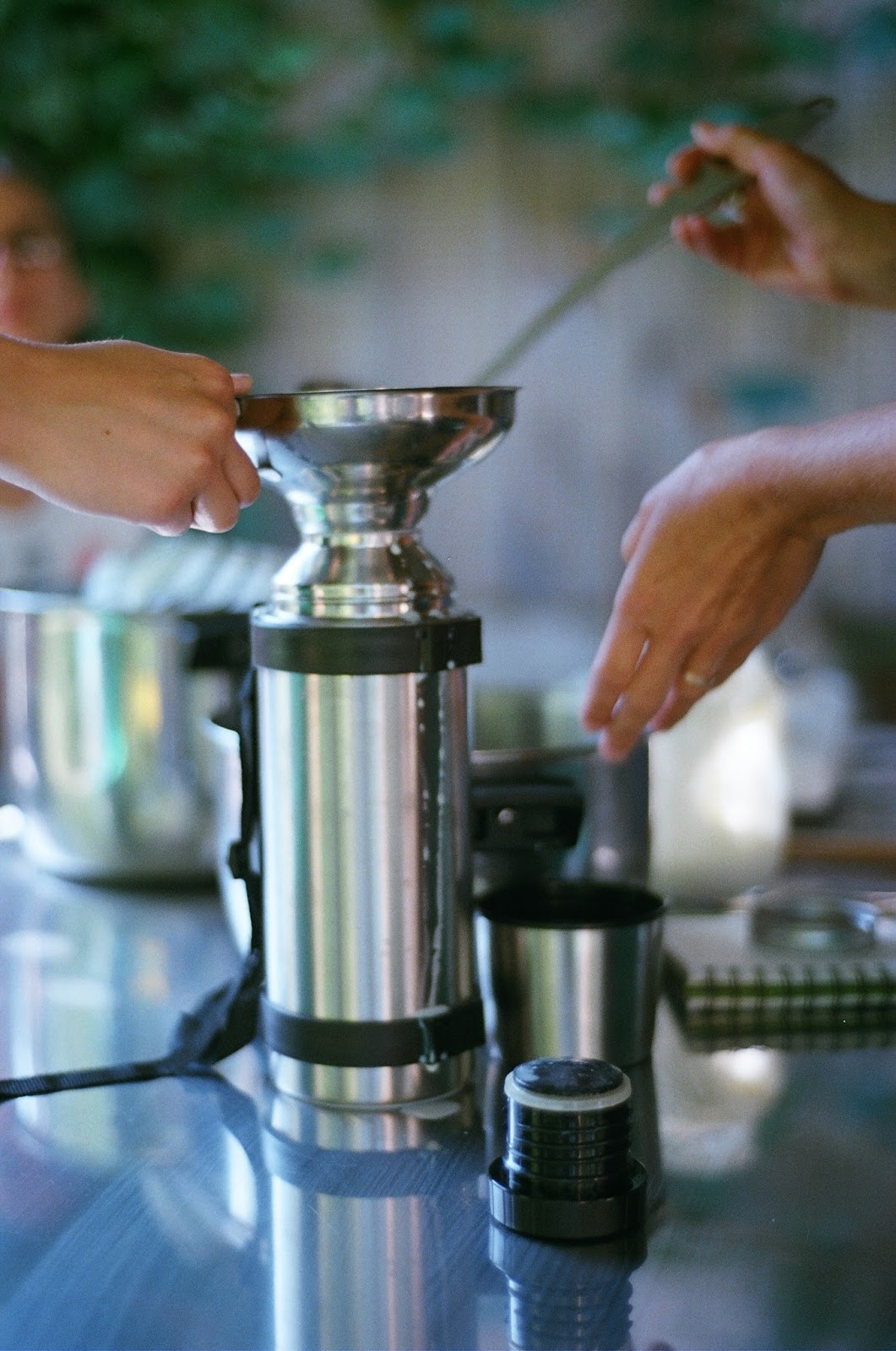
We are inspired to have met so many wonderful people, proud to know so many friends who are talented facilitators in the homesteading arts, and renewed in the belief that cities are places where we can rely on each other to actively create the kind of ecologically focused homes and communities we want to live in. Here are just a few photos of the day...
Monday, September 02, 2013
Homesteading Symposium!
Last weekend we held our first annual Homesteading Symposium here at Little City Farm! It was a day-long event packed with 15 workshops to choose from, ranging through a variety of homesteading/sustainability skills including fibre arts, beekeeping, chicken keeping, herbal healing, home brewing, wild edibles, pasta making, yogurt making, natural building, and much more! The day brought together nearly 40 people wishing to share and/or further their self-reliance skills.
We are inspired to have met so many wonderful people, proud to know so many friends who are talented facilitators in the homesteading arts, and renewed in the belief that cities are places where we can rely on each other to actively create the kind of ecologically focused homes and communities we want to live in. Here are just a few photos of the day...
Sunday, August 25, 2013
Bees Late Summer Forage
We are enjoying watching all the marvelous varieties of bees foraging in our garden right now. Here in Ontario there are over 400 varieties of wild bees alone! It's a busy time, they are moving with a much faster pace than in early summer, getting all the last best pollen and preparing for winter. Any yellow flowers, like this cup plant and goldenrod pictured, are just covered with bees from morning until dusk.
There is so much more I want to learn about bees, and from bees! On our fall/winter reading list is The Thinking Beekeeper: A Guide to Natural Beekeeping in Top Bar Hives, learning about top bar beekeeping, an minimal intervention approach to beekeeping that uses a hive design much more similar to how bees would build in nature. The idea is to create a healthy hive for the bees (and let them build and maintain it), with much less emphasis on harvest of honey.
Visit Pollination Canada to learn more about the important role of bees and other pollinators, what plants to grow in order to help attract pollinators, and other useful info.
Friday, August 16, 2013
Tuesday, August 13, 2013
Basil Pesto - lots of it!
Now we are in the thick of it. Preserving. Yesterday was pesto day. The first of several pesto days. I had planted 40 basil plants in the spring, and set out another 40 more plants only a few weeks ago. What was I thinking? I do love basil, and the first batch of seedlings had a serious set-back when we had that extra late frost at the end of May...but seriously, pesto from 80 plants....We also dry the basil leaves, and have eaten it with virtually every salad, egg dish, and pizza that has graced our table since mid-June, but it really takes pesto to make much of a dent in a basil garden.
Our favourite recipe is our own version of a vegan pesto - made with olive oil, fresh garlic, sunflower seeds (or pine nuts, whatever your budget prefers), nutritional yeast (in place of parmesan), sea salt, and a little lemon juice, plus basil! We pack it into small glass mason jars, leaving 1/2 inch headspace, then store them in the freezer until use.
A Chicken Celebration
Today, it was decided, was a day that our hens needed a celebration. More importantly, they needed a cake! A very special cake. It's been cold and grey the past few days and today was not exception. So, our daughter thought the hens needed some cheering up. Why not call it their birthday - all of them at once? She decided to create a cake that included all our hens most favourite treats - delicious layers of leftover brown rice, chopped up kale, comfrey & dandelion greens, crushed eggshells, mashed over-ripe pears, sunflower seeds, and shredded carrots, blended together with yogurt, and garnished with raisins, buckwheat, strawberry tops, and a garden slug or two. Mmmmm. Our hens were delighted with this treat, served up to them in a fancy old cake pan that they scraped clean by the end of the day.
We were rewarded with fresh eggs to warm our hands on. Thank you, lovely hens!
If you ever decide to make your own cake for hens, please avoid: avocado (pits can leach toxins into the flesh making hens sick); apple cores (seeds contain cyanide, enough to harm a hen); fruit pits and seeds of other sorts; long grasses (these can case problems in the hen's crop); meat, citrus and onion (all not agreeable to hens).
Friday, August 09, 2013
Thursday, August 08, 2013
In the garden
In the garden these days...
zucchini, eggplants, basil and more basil, chard, pumpkins growing (the patch quickly taking over the side yard)!, first tomatoes (finally! such slow ripening this year), kale in abundance, beans climbing high, fresh cukes, and flowers! sunflowers, zinnias, bees bees bees!
Subscribe to:
Posts (Atom)