Pages

Wednesday, April 28, 2010

Soaps for LOFT Market


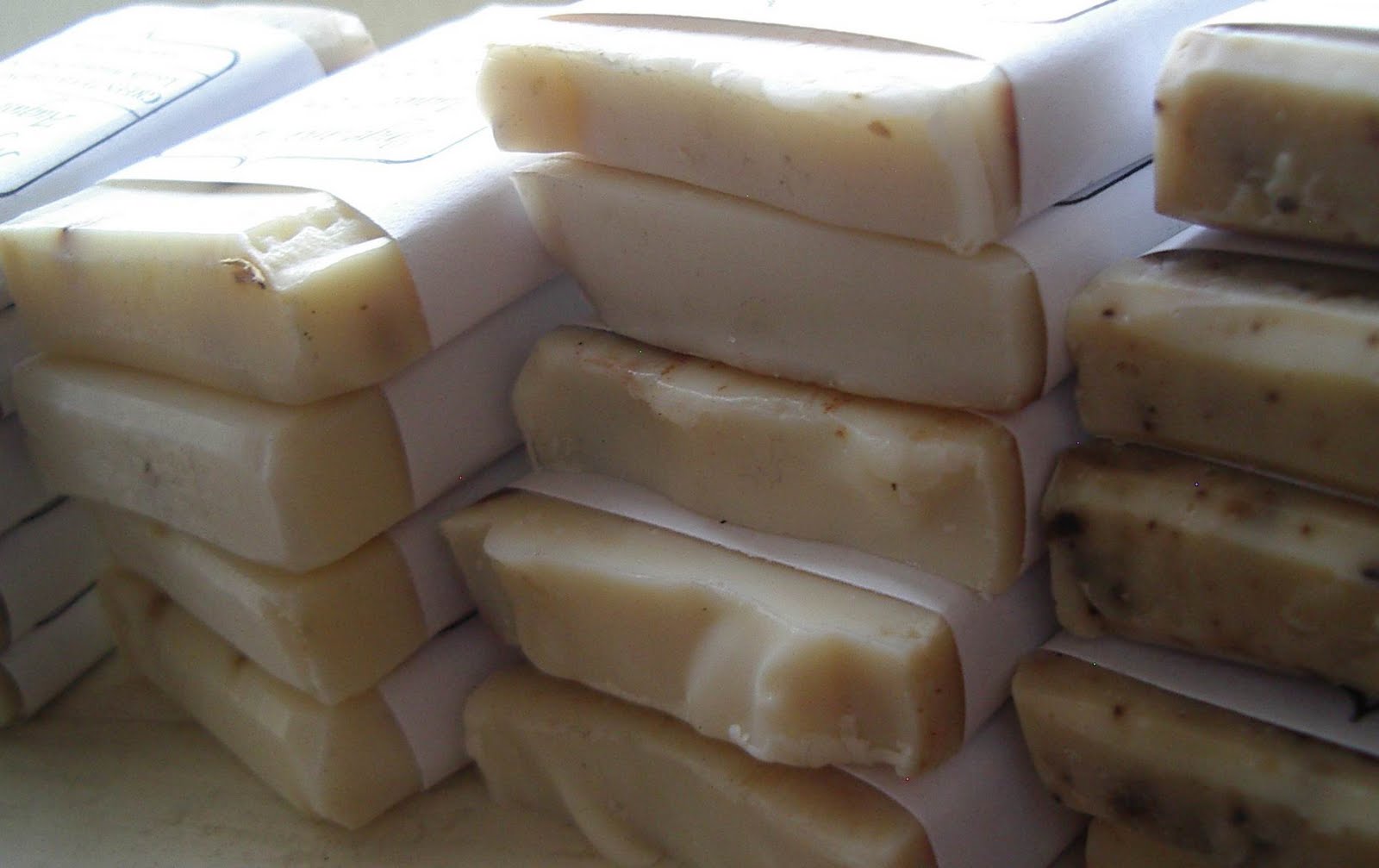
We had a very special custom order for more than 100 guest soaps this week! It was for LOFT Market - which stands for "local organics fairly traded". LOFT Market, (not to be confused with LOFT, which is a producer co-operative of local farmers who supply LOFT Market), offers a large-scale local organic food box program here in the area, with 10 depot/pick up locations (Cambridge, Guelph, New Hamburg, Waterloo and Kitchener). We were so pleased to be asked to contribute soaps for their last winter box! They were interested in our soaps because we are a small local business that uses local organic ingredients - like herbs from our gardens, local oats & honey, local goatmilk, and even local beer & egg for our shampoo bar. We provided bars made with medicinal herbs, including chamomile, rosemary, lavender, calendula, and sage. We wish LOFT Market, and their farmers, well for the new 2010 season ahead!

Check out LOFT Market - to become a member or find out more go to:
http://loftmarket.ca/

Garden Weekend - wood-fired baking, cold frame & seedlings


A few updates on the garden - we are working at establishing more permaculture style keyhole beds, and also reorganizing our herb gardens. We've set up a second cold frame infront of the greenhouse, which will be used to harden off the seedling in preparation for the May 22 sale. This cold frame is simply a large rectangular box made of recycled wood, covered with glass windows.

The cold frame raised bed that contains our spring greens is bursting! We've been eating salad, dandelion greens, spinach, arugula, chives, etc for the whole month - and now with the warm days, many of the lettuces are starting to go to seed! I pulled out much of the spinach yesterday, as we are vowing this year to eat the greens when they are at their peak, rather than waiting until they go to seed and get bitter (which often seems to happen). We made two huge pizzas and loaded them with spinach and fresh oregano from the garden...baked in the wood-fired oven, yummm! See before and after photos here :)

The first round of basil is ready for harvest, and I've transplanted much of it into larger containers. We need the space on our indoor grow racks for new seedlings. Kale and broccoli have been moved to the greenhouse, and it's time to get the squash and zucchini started. These can also be planted directly outdoors later. We've started carrots and peas, plus sunflowers and some other flowers, out in the garden already. Of course, our little helper is doing a great job of watering and tending the plant babies.

Lavender-Infused Chocolate Cupcakes - Mother's Day Treats


To those of you who are local, we are offering *special baking* once again, for the upcoming Mother's Day next Sunday. This time it's delicious spring inspired lavender-infused chocolate vegan cupcakes with lavender buttercream icing (made by steeping lavender as tea, which is added to the icing for a sweet subtle flavour). Here's a photo to give you an idea...check our website for ordering details.

Bloomin' Earth Festival


We've had a busy weekend - took part in the local Bloomin' Earth festival at Kitchener Market, along with 70 other craft vendors! What an array of creative talents, so many local, and with a focus on earth-friendly goods! It was great to see so many familiar faces who stopped by our booth. We were sharing tent space with the talented Amaryah of Sew Oiseau, and next to us was Eve from Eve's Little Earthlings!

Friday, April 23, 2010

Come Visit! Local Festivals & Events - find seedlings, handmade goods, local food and more

Happy Earth Week, and the start of garden season, to all you local Foodies, Transition Towners, Gardeners, Permaculturists, and Urban Homesteaders! 

There are several WONDERFUL LOCAL FESTIVALS & EVENTS COMING this next month celebrating local food, local crafting & arts, and creating vibrant communities!  Please read the list below and follow the links for more details. 

COME SAY HELLO!  Little City Farm will be vending our seedlings, soaps & botanicals, and baked goods at these various events - so please drop by and say hello!  We'd love to see you, and if we haven't met in person, please come introduce yourself!

Bloomin' Earth Festival
Sat, April 24 from 9 am -4 pm
at Kitchener Market in downtown Kitchener
More than 60 vendors confirmed for this amazing handmade craft/art sale!   Plus junkyard symphony, recycled fashion show and more!

Stitch' n ' Kitsch Craft Show & Sale
Sat, May 1 from 10 am-5 pm
at First United Church, corner of King & William St, uptown Waterloo
Handmade pottery, soap, jewellery, bags, knitwear, dolls, children's items, accessories, paper goods, art, and so much more!

 Waterloo Farmers and Crafters Market
Every Thursday from 4-8 pm, May through October
at the Uptown Waterloo new public square
An exciting new market where you will find local organic produce, and handmade artisan/crafters goods, and so much more!  Little City Farm will be there with our handmade soaps & botanicals!

Little City Farm 8th Annual Seedling Sale!!
Sat, May 22 from 9 am -12 noon
at Little City Farm location, 508 Duke St W, Kitchener
Organic heirloom varieties of vegetables and herbs.  Specializing in heirloom tomatoes - more than 20 kinds available.  Also baked goods, gardener's soaps/salves, handmade garden aprons, and more exciting finds!  3 vendors, more than 1000 seedlings!  Come early for best selection and plan to stay for a while to meet local foodies & urban gardeners!

http://www.littlecityfarm.ca/workshops-1.php

Friday, April 16, 2010

Urban homesteading day...


Enjoyed the warm weather with some solid hours outdoors today, preparing the garden beds, baking in the wood-fired cob oven, moving the chicken coop, and touring around the yard on a fabulous retro red tricycle with hens in tow.

Garden tasks included establishing new beds - we've taken apart our old raised beds and have widened them with new cedar frames, and woodchip mulch as narrow paths between.  Next we want to set up some permaculture-style keyhole beds on the sides and back of the garden, as well as redesign the herb area.  I have mint beds on the outskirts of the main garden, also in raised beds, with 8-9 varieties of mint for tea blends.  These mints, and other herbs, are starting to come up, as well as the rhubarb and first shoots of asparagus!  We had to move a large section of strawberries in order to widen our new beds, so these are now in pots waiting for their new home near our pond.  We'd like a carpet of edibles (strawberries and aromatic herbs like thyme or lavender) near the pond sitting area, under one of our apple trees.

Baking in the cob oven - it makes good sense to do this on a gardening day, as tending a fire for a few hours is easy enough while puttering in the garden beds alongside.  The end result, 6 loaves of crusty wholegrain sesame-sunflower rye bread, 2 plum-rhubarb pies (using up freezer fruit remains), and a huge batch of maple granola - all baked within an hour in the oven, which is still warm now, hours later.

Moving the chicken coop - this is an annual tast we do, as one method of keeping the pen and run tidy and free from mites or disease.  We give it a good cleaning regularily (and may power wash it this week,a s someone generously loaned us her power washer after reading our request earlier in this blog - thank you!!), however, actually moving the entire coop to a new corner of the run is a good idea on an annual basis.

And, happiness is...a new red tricycle - which we found used on kijiji, and, in fact turned out to be from someone who lives only a few blocks away.  Perfect!

Spring craft shows - including upcoming Bloomin' Earth Festival & Stitch'n'Kitsch spring sale!


It's spring festival season!  Yesterday I took part as a vendor at the annual La Leche League garage sale event.  This is a huge garage sale, with a wonderful selection of clothes, toys, housewares, maternity gear, and more - and best of all, it suits every budget as payment is simply a donation of any size toward the organization's work.  Here are some photos of the Homestead Herbals table (including new handmade colouring books with felt covers), as well as the Sew Oiseau display (my friend who sells wool applique clothing and Waldorf-style dolls).

Next weekend we'll both be vending at the Bloomin' Earth Festival at our Kitchener Market (Sat, April 24) - a culmination of a weeklong of fantastic events being held in the downtown to celebrate Earth Week!   The following week (Sat, May 1) Homestead Herbals will be at the exciting annual Stitch & Kitsch spring sale, in uptownWaterloo (church on King & William St corner).  Come visit and say hello!

Workshops: Organic Gardening - plus Compost Tea recipe

Last weekend saw unbelieveably warm weather, and we were able to hold our Organic Gardening workshop outdoors on the garden patio.  Much more inspiring than discussing this topic indoors.  The aim of this workshop was to familiarize beginning gardeners with basic organic principles and techniques - including building and maintaining soil health, compost, tilling vs no-till approach, brief overview of permaculture approaches, as well as companion planting, bio-intensive gardening in small spaces, and organic pest controls.  This was a lot to cover in two hours, given that we also wanted to have enough time to answer the many questions of the participants.  Really, this organic gardening basics could be a whole series in itself - something to consider for next season.

The most important point to bring across was how vital soil health is to a successful garden - getting to know your garden's soil qualities (sandy, clay, poor drainage, too dry, acidic, alkaline, etc) and creating a healthy balance with maximum beneficial microorganisms by using: compost and, better yet, compost tea, as well as aged manures, worm castings (from vermicomposting bins), mulches (straw, shredded newspaper, woodchips), and other simple additions like fish emulsions, eggshells (calcium) and so on. 

Compost Tea Recipe
The best way to quickly improve your soil health is to apply compost tea on a regular basis.  Using a fish aquarium bubbler helps to create a compost tea filled with oxygen (aerobic), as the beneficial microorganisms need oxygen to survive.

What you will need:
5 gallon plastic pail
1 shovelful aged compost (about 3 large handfuls)
Small fish aquarium bubbler

1. Fill pail with water and let this sit for 24 hours to evaporate chlorine (from city water).
2. Add compost into a mesh bag and tie bag loosely closed.  The mesh bag should be fine enough to hold the compost inside, while still letting water flow through.  Put bag in the pail of water and let steep like a "tea" for 12-24 hours, while running the aquarium bubbler.
3. Strain compost tea into a watering can and use on garden immediately  This tea does not keep for more than a few days as microorganisms die and you are left with anerobic water.  A similarily beneficial "tea" can be made using worm castings from a vermicomposting bin.

Sunday, April 11, 2010

First spring edibles

Today's lunch was an outdoor picnic that included our first luscious garden greens - young spinach and lettuce varieties from the coldframe, greens from the greenhouse (almost bolting by now, as the greenhouse has been over 30C on the sunny days), chives, garlic greens, young kale leaves, dandelion, green onions, parsley and edible violets...

Thursday, April 08, 2010

First signs of spring


We have been loving the rains these past few days - so needed for the farmers and gardeners in our region. The rains have brought all kinds of new green to life in our yard...elderberry bushes and currant bushes have young green leaves, fruit tree buds are starting to form, pink rhubarb tips are poking out of the soil, chives, garlic, parsley and onions are sprouting, herbs are reviving - and wild woodland flowers like bloodroot are already almost done their flowering time...such a beautiful hopeful time of year!

Spring seedlings take over the house


We're preparing for our 8th annual seedling sale - heirloom tomatoes, peppers, kale, eggplant, flowers and many herbs have been planted and are now filling tray upon tray all through our house.  The two grow racks are stacked high, and we're ready to do the first transplanting (basil, savory, thyme, marjoram, sage - all ready to go out of their little cell packs into fresh soil).  We're getting a bit nervous about how to find space for all these lovely growing plant babies, and still give them enough light and warmth.  April is still quite cold to set them out into our greenhouse, which is unheated (nice and warm during the day, even too hot on the sunny days when it can come near 25-30 in there if the door or vents aren't opened up; but cold at night when the temperatures still dip below zero).  The latest plan is to move the hardier ones out to the greenhouse once they are a little bigger and cover them with floating row cover at night.  On warm days later in May, we move them outdoors to start the hardening off process, and back in at night - but this is still at least a month away!

Tuesday, April 06, 2010

Natural Life Magazine - featured article about Little City Farm in May-June issue!

We are excited that the May-June issue of Natural Life Magazine is coming out shortly! We have an article being published in this upcoming issue, talking about our life here at Little City Farm and how to get your own urban homestead established - "Living the Good Life in the City: Creating your Sustainable Urban Homestead".

You can read it online, or better yet, pick up your copy of the magazine (at Wordsworth Books, or order online). This is a wonderful Canadian magazine focussing on natural parenting, sustainable living, organic gardening, homelearning/unschooling, and green building:

http://www.naturallifemagazine.com/1006/Natural_Life_May_June_2010_index.htm

Spot the chicken


We have two hens, Buttons and Gypsy, who have taken to laying eggs in a bucket of sawdust which we keep near our cob oven! Each day we find one of the hens sitting quietly in the bucket - quite a cozy soft spot actually, under a sheltered roof hidden by a woodpile, out of sight from potential predators. Those smart hens :)

Help! Do you have a power washer for our greenhouse??

Does anyone out there have a power washer they would like to loan us? We can offer a variety of things as a barter, including gardening help, seedlings, organic baked goods, handmade soaps, a night at our bed & breakfast, etc.

The reason we are putting this request out there, is that our greenhouse is in desperate need of a washing. As mentioned in an earlier post, the greenhouse sits directly below a huge black walnut tree - a beautiful tree in it's own right, but since the juglone in the roots does not allow much vegetation to grow under this tree we decided to put the greenhouse here rather than a garden. Seemed like a good idea, especially since this also allows the greenhouse to be south-facing. For about 8 years now we've had the greenhouse there, and slowly over time the window panels have been getting progressively stained by the dripping from the walnut leaves. Hmmm, should have thought of this, knowing that walnut leaves and hulls are used as a brown dye! Well, we didn't have much choice in location given the layout of this urban property. So now we are stuck with a greenhouse that either needs a power washer to clean up the panels and restore proper light levels to grow our seedlings, OR purchasing new panels. We'd like to avoid purchasing new...so, if anyone knows of a power washer, please email us! littlecityfarm(@)yahoo.ca

Rainbarrel distribution in our region

Waterloo Region is distributing rainbarrels again, Sat, April 24 (thank you Glenn for sending this reminder!). $30 each, until supplies last (they always seem to go very fast and you need to stop by early to get one! The distribution starts at 7:30 am.

See their website for more details at:
http://www.region.waterloo.on.ca/web/region.nsf/c56e308f49bfeb7885256abc0071ec9a/ef0dac1e32543d6185256b05005a2bfa!OpenDocument

Thursday, April 01, 2010

It's the season for urban maple tapping!

It's maple syrup season around this part of Ontario (has been for a few weeks, and in fact is almost over by now). A nearby town, Elmira, held it's annual maple syrup festival last weekend, and the thousands of visitors that flooded the town to take part in tours of sugar shacks and a free pancake breakfast definitely signifiy how much maple syrup is part of our national psyche - a Canadian trademark, the flowing sap announcing spring and allowing us to celebrate a short, sweet, almost sacred harvest from our iconic maple trees.

And, across the country urban foragers are also tapping into this wonderful syrup bounty - with urban maple tapping (as well as other trees, such as birch or black walnut) becoming increasingly common in urban neighbourhoods. Exciting - though not a job to take lightly! Tapping trees takes patience and diligence, not to mention the nearly 24 hour vigil of boiling down the sap on a fire into beautiful amber-golden syrup. This makes for a great community effort as there is plenty of time for socializing as you boil down the sap or check your neighbourhood taps each day. As it takes aproximately 40 gallons of sugar maple sap to produce 1 gallon of syrup, each precious teaspoonful should be carefully reverently savoured.

Urban maple tapping projects are going on in many cities across North America. Brooklyn boasts it's own "made in Brooklyn maple syrup". In Winnipeg not only sugar maples are tapped, but also Manitoba maples, birch trees and black walnuts for a delectable combination syrup. Not Farm From the Tree, a non-profit organization in Toronto, sells "I'd tap that - syrup in the city" t-shirts and coordinates groups of volunteers to help with tapping across the city. They largely tap Norway maples, which, although producing a lower ratio of sap to syrup, are more hardy in the city than sugar maples.

More links for urban maple tapping projects - read these exciting stories:

http://www.thestar.com/living/food/article/779756--urban-maple-tapping-project-pays-off-in-syrup

http://www.notfarfromthetree.org/archives/1219

http://themapletap.com/urban/

http://www.theglobeandmail.com/life/food-and-wine/aunt-jemima-no-more-foodies-make-their-own-maple-syrup/article1510312/

http://planetgreen.discovery.com/food-health/urban-harvesting-maple-syrup.html


I’d Tap That t-shirts (proceeds go to Not Far From the Tree)

http://www.etsy.com/view_listing.php?listing_id=41332279

Tuesday, March 30, 2010

New! Wedding Soaps


I just finished another custom soap order - wedding soap favours, which are "hotel" guest bar sized. These soaps will add a lovely natural touch and make a very nice gift to guests at this summer wedding being held on a nearby farm.

Wedding soaps from Homestead Herbals are available in any of the many varieties of soap I make - the minimum order is 50 guest sized bars of one variety - and they come with individual custom labels printed on recycled paper. Please check my etsy store for more details.

http://www.etsy.com/shop/homesteadherbal

Eco-crafting natural egg dyes


Decided to invite a few mamas & kids from the neigbourhood over to do some egg decorating, have a spring picnic, and enjoy the backyard...the weather is looking like it will be gorgeous this week, plus, it is almost easter and why not try some alternatives to food colouring dyes for eggs. I experimented earlier to test out some natural dyes I had read about. For brown - strong dark coffee; for blue - elderberries from the freezer; for green - spirulina powder; for yellow - turmeric powder; for pink - chili powder. They are definitely not strong colours, and the eggs needed to "steep" for a good hour, but the results were not bad. You add 1 tsp white vinegar to the boiling water and dye agent, then add the hard boiled eggs. Simple. I tried to dye the lightest brown of our hen's eggs, but really white eggs would probably take up the colour better.

By the way, the spring "easter egg hunt" really does make sense - our hens have been so happy with the warm weather and their chance to free-range around the yard, that they have been laying their eggs in all kinds of surprising hidden locations. We certainly feel like we are hunting for them each day. One unusual place they seem to frequent and like, is a large bucket filled with wood shavings that we keep near our outdoor oven under a covered wood shed roof. There are at least 1-2 eggs in this pail each day! I don't know how the hens manage to sit on the rim of the pail and lay their eggs.

This weekend, there is an easter egg hunt being organized at a park in our neighbourhood - everyone is invited to bring coloured hard-boiled eggs to hide, which kids can trade in for chocolate eggs. I love that spontaneous and free community events like this, the May long weekend neighbourhood potluck-picnic, and Wednesday night kids soccer, all happen in this neighbourhood on a grassroots level.

***** Thanks for everyone's great ideas and suggestions on natural egg dying! For example, one person mentioned she uses raw eggs in the dye and simmers them for 20 minutes, then lets them steep another half hour off the heat. She finds them the perfect edible stage then. Colours suggested were thick grape juice for purple, and swirly colours used by wrapping eggs in onion skins with rubber bands.

Backyard greenhouse


We've had some greehouse questions, so I'm including an aerial view of a section of our backyard, taken two years ago during construction to our house (standing on our roof)! Our greenhouse is a very simple passive solar design, meaning facing due south and absorbing the sun's heat through the glass and using rainbarrels filled with water and painted black as a heat sink. We also have a permaculture "keyhole" shaped bed that is sunk into the ground and built as a raised bed style, which also holds heat and moisture for plants that are directly planted in it (this is where we plant our winter greens).

The greenhouse - we built this greenhouse ourselves in the second or third summer we were living on this property. It seemed a crucial outbuilding to have, as we wanted to grow greens in the winter as well as have a place to keep our seedlings in spring before they went out to the garden. Ideally, we would have liked to attach the greenhouse to our home, creating a warm sunny living space filled with edible greens, kitchen herbs, etc - and using the passive solar gain to heat our home. However, sadly, given the layout of our urban property, this design did not work for this house - attaching a large enough south facing greenhouse to our home would have meant it would have been directly on the sidewalk.

So the greenhouse is in our backyard, attached to an old "barn" with second floor loft that was pre-existing on the property when we moved here. The greenhouse is solid wall construction on the north side, and the southern side has fibreglass reinforced plexiglass windows (4x8 sheeting at $65/sheet - for the person who was wondering how much it cost. This was the cost about 7 years ago). We used the plexiglass rather than old storm windows made of glass (which are usually a great option, and often available for free) because we have a large black walnut tree towering over our greenhouse - it would have damaged the glass with the large walnuts raining down in the fall! As it is, the plexiglass has slowly accumulated a dark stain which we can only assume is from the dripping of the black walnut leaves. We'll have to do some serious cleaning this year, if not even buy new plexiglass soon.

Along the north wall we have our rainbarrels, a long planting table to work on the length of the wall, and shelving to hold our trays and plant pots, garden tools and watering cans. The interior wood for shelving to hold seedling trays is reclaimed from various construction projects including some shelves made from beautiful rustic 100 year-old wooden beams and flooring boards.

Some useful greenhouse/coldframe resources:
- old Harrowsmith & Mother Earth News books/magazines
- The Greenhouse Gardener's Companion, by Shane Smith
- Four Season Harvest, by Eliot Coleman
- The Winter Harvest Handbook, by Eliot Coleman
- Solar Gardening, by Leandre Poisson and Gretchen Vogel Poisson
- The Solar Greehouse Book, by James McCullugh (Rodale Press)

Seedlings - Heirloom Tomatoes & More - Our 8th Annual Seedling Sale May 22!


We've had a few questions about the seedlings we'll be offering at our annual seedling sale in May. I'll include a list here, as well as updates in future posts as we get more confirmations from the other two vendors who will be selling here.

This is our 8th annual seedling sale, as always on the Saturday of the May long weekend - so that's Sat, May 22 from 9 am -12 noon this year! We had a huge crowd the last year, so please plan to come early for best selection! We hope to set up a small area of our yard with tables and chairs, so people can relax and chat, eat baked goods and meet each other. There were so many wonderful people here for previous sales that it really felt like we needed to create a space for people to hang out after they purchase their plants - otherwise, people are crowding the driveway while discussing their garden plans with their friends and new acquaintances. It should be quite an event again this year and we are REALLY looking forward to it! I would say this is one of our main hightlights of the season! Such a hopeful time of year, and exciting to see that there are so many eager urban gardeners in K-W!

As for how we start our seedlings, yes, we do use grow lights. We have two large grow shelf units with three sets of shelves and lights each. This holds aproximately 12 seedling trays, though we usually try to squeeze in more than that by turning trays sideways at the peak of seeding time. Once our seeds are seeded into trays (starter peat), we keep them without lights on under the clear plastic lid covers until they germinate. As mentioned in an earlier post, as our house is quite cool we also have our grow shelves surrounded by plastic sheeting to help keep the seedlings warm. Once they germinate, we move them under the lights for about 12 hours/day (on a timer). When the seedlings are large enough to take a little cooler night temperatures, they get moved (and transplanted) into the greenhouse. This is usually in mid April that we start moving plants out there. More on the greenhouse in the next post.

Ideas of Seedlings for the May 22 sale:
- Heirloom tomatoes (many shapes, colours, sizes - indeterminate and determinate, etc)
- Basil varieties (purple, lemon, thai, sweet, tulsi/sacred)
- Herbs like thyme, mint, lavender, sage, oregano, savory, fennel, parsley
- Flowers like marigolds, calendula and other annuals
- Other veggies like zucchini, broccoli, eggplant, hot peppers, kale

Monday, March 22, 2010

Quick post replies - regarding laundry and chickens

Thanks to everyone who has been posting comments - while I read them all, I am sorry that I am not always able to take time to comment personally. Here are a few replies to answer some recent questions (hope this is helpful):

Q/ when you "freeze dry" your laundry on the line outside in winter, how do you soften the diapers that are stiff and cold when they come indoors?

A/ Yes, we don't have a clothes dryer and hang dry our laundry all year round. We do freeze dry our sheets and towels outdoors in winter, but have a large wooden drying rack that we use indoors to dry our cloth baby diapers. As we have a wood stove going in the next room, we find the diapers dry quickly within a few hours. This indoor rack actually also helps to humidify our house which can get quite dry in winter because of the wood stove. To brighten them up we do hang them out for a few hours, but this is not necessary.

Q/ I am moving to the kw area in the near future and am wondering about the chicken bylaws?

A/ There are a wide range of bylaws on this topic in our area. Kitchener and Waterloo are two separate cities, and as such have different sets of bylaws. The City of Waterloo recently started a pilot project regarding urban chicken keeping. A Waterloo Hen Association was formed, and people had 60 days to register their hens and be part of this study. The discussion will be reopened by city council in 2011. The City of Kitchener bylaws are a little ambiguous on this topic - one part of the bylaw seems to say no (the class of birds chickens belong to are not allowed), while another part seems to be affirmative (they are allowed for "animal husbandry" purposes). City of Cambridge, also part of the kw area, has a grandfathered clause for some of the older properties that had chickens in earlier years. City of Guelph, nearby, does allow hens. As with all bylaws, it's best to be respectful of your neighbours because if they don't approve then bylaw or not, they can still complain and end your hopes of having hens. We suggest checking in with your neighbours before getting hens, keeping the pen clean and tidy, not keeping too many (and no roosters), and giving away some eggs to help build positive hen relations.