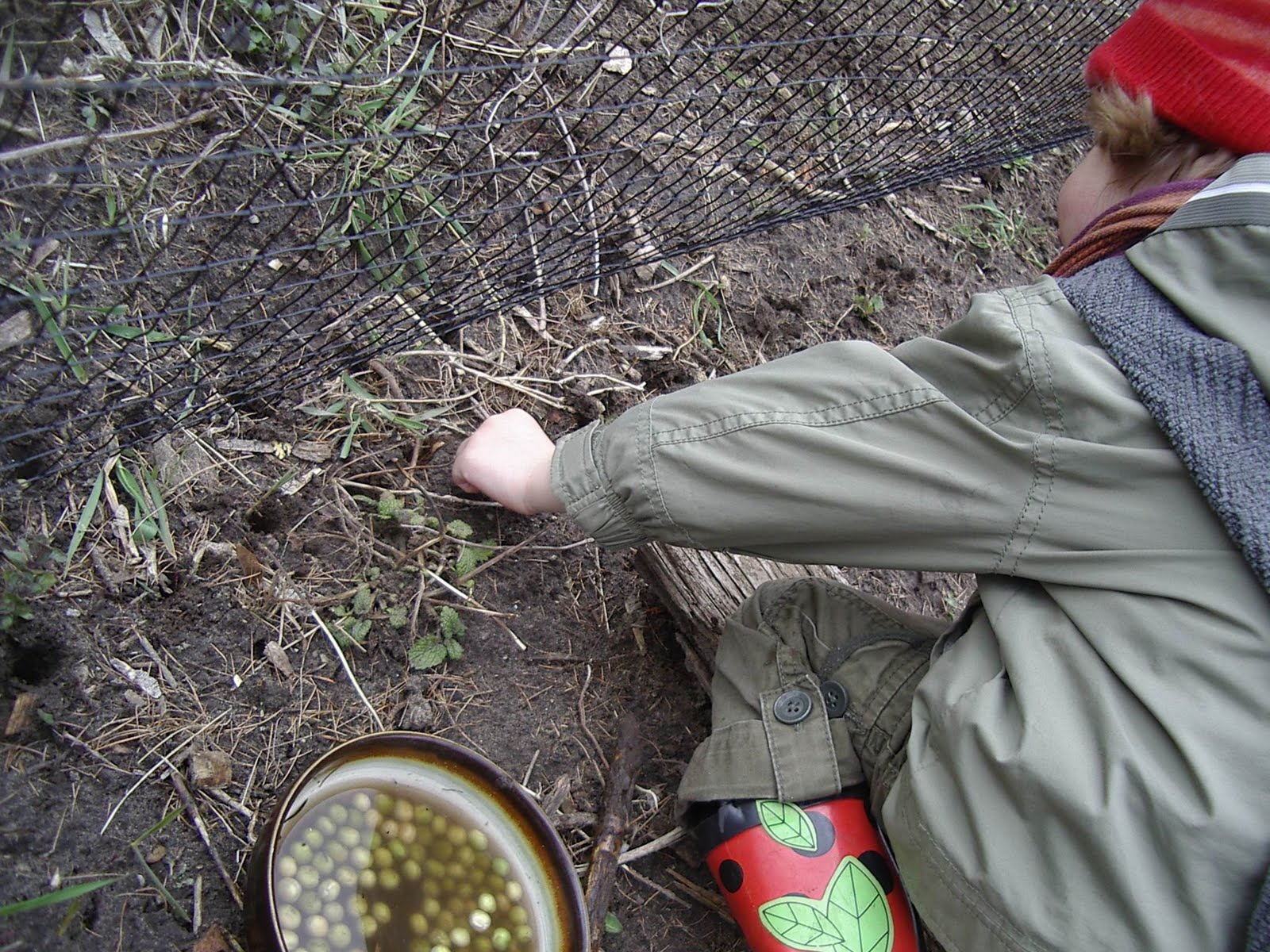
Every spring, right around this time (spring equinox) we get out our big box of seed packages, sort them, map out our garden plan, and start our favourite varieties. For those of you who are local, if you need organic non-GMO seeds, please drop by Little City Farm to check out our selection of seeds from High Mowing. Every Saturday from 10-1 pm through the spring. And consider taking our Seedling Starting workshop on April 2, as local organic farmer Angie Koch (Fertile Ground CSA) will be here to lead the class and answer all your seed-starting questions.
Here is the handy planting guide that we use each year - it's printed and up on our fridge for easy reference. Enjoy!
Seed
Planting Guide
From Little City
Farm
www.littlecityfarm.ca
For zone 5 to 6 in southern Ontario this is based
on frostfree date of May 24
FEBRUARY
(greens listed here can continue to be planted
throughout the growing season)
Start
lettuce, chard,
other greens in
greenhouse or in flats indoors (to be planted out to greenhouse).
Start selected
medicinal and culinary herbs
by middle of February. Some take 6-8 weeks to germinate!
10
WEEKS TO LAST FROST
(aprox. March 15)
Start
seeds of celery,
eggplant, leeks, onion, pepper
and flowers like impatiens,
lobelia, verbena and perennials
indoors.
8
WEEKS TO LAST FROST (aprox. March 29)
Start
seeds of early head
lettuce and flowers
like begonia,
coleus, nicotiana, petunia, salvia
indoors.
7
WEEKS TO LAST FROST (aprox. April 5)
Start
seeds of tomatoes,
hot peppers, and early basil
indoors.
6
WEEKS TO LAST FROST(aprox. April 12)
Start
seeds of early left
lettuce, early cabbages including cauliflower, broccoli, brussels
sprouts, kohlrabi and kale, and small seeded annuals
indoors. DIRECT SEED broad
beans, carrots, peas, spinach, leaf lettuce, turnips, dill, parsley,
and hardy flowers such as alyssum, candytuft, pansies, poppies,
snapdragons, stocks, sunflowers and sweet peas.
Plant onion sets
or transplant onion
seedlings
outdoors.
4
WEEKS TO LAST FROST (aprox. April 26)
Start
melon
seeds indoors. If desired, start seeds of late
basil, cucumber, squash, pumpkin, large-seeded annuals, and flowering
vines indoors in
peat pots. DIRECT SEED radishes,
beets, cabbages, chard, head lettuce, and flowers such as hollyhock,
and mallow. Plant
potato eyes
and transplant seedlings of early
cabbages, except
cauliflower.
2
WEEKS TO LAST FROST (aprox. May 10)
DIRECT
SEED corn, tender
bulbs such as glads, and annual vines such as morning glory.
Transplant early
lettuce
seedlings.
WEEK
OF LAST FROST (aprox. May 17-24)
Around
the last frost date you can finally direct seed beans,
cauliflower, cucumber, squashes, heat-loving flowers such as zinnias,
marigold, and lavatera.
Transplant your tomatoes.
If you've got them, transplant cauliflower,
squash and cucumber
seedlings.
1
to 2 WEEKS AFTER FROST (aprox. May 31-June
7)
Wait for a couple
of weeks after the last frost before direct seedling lima
beans, soybeans, melons and herbs such as basil, summer savory and
sweet marjoram.
Transplant celery,
melon, peppers, eggplant
seedlings when the night temperatures stay well above 10 degrees C.
Plant sweet potato
slips. Start second
crop of kale
seedlings, reseed
spinach
and peas
for second crop.
Showing posts with label direct seeding. Show all posts
Saturday, March 12, 2016
Thursday, January 29, 2015
Get your organic non-GMO seeds from Little City Farm this spring!

NOW AVAILABLE FOR LOCAL CUSTOMERS!
We are so excited to be offering unique organic non-GMO and heirloom seeds through our Little City Farm store & studio. Just in time for spring planting local customers will be able to find seeds from our "farmers market" collection including unique varieties of peas, beans, chard, kale, greens and more - as well as pollinator-friendly and kids-garden collections. Our seeds are coming from High Mowing Seeds, an organic seed company that we think very highly of due to their strict organic and non-GMO verification standards. We have over 48+ varieties to choose from!
How to buy seeds from Little City Farm - visit us on Saturdays between 10-4 pm (from Februrary through April, and May 23 at our annual Seedling Sale), or contact Karin directly at: info@littlecityfarm.ca
Tuesday, April 01, 2014
Seedlings are starting!
The past weeks we have been working on garden plans, seed orders, cleaning the greenhouse and organizing garden trays and supplies. Seeds have been planted and it finally feels like spring is underway! This week we planted some of our favourite herbs & flowers with seeds saved from our own garden last fall - calendula, marigolds, zinnias, snapdragons, bachelor's buttons, lavender, sage, summer savory, malva, tulsi basil...(my helper was so ready to start her sunflowers but it's not quite time yet, but she had lots of opportunity to decorate our seed packages instead). These seedlings will be available at our May 24 Annual Seedling Sale!
Thursday, May 03, 2012
Busy month of May in the garden
Other than several plantings of peas, and a nice array of greens in the cold frame, we have not direct seeded much in the garden yet. It's time! Radishes, potatoes, carrots, more peas, lettuces, chard...it's time to plant all of these. These days...planting, tending, transplanting, digging, nurturing, reading, mapping, planning, organizing...busy days here in the month of May, but so worth the hard work. Today's list included work with our daughter on her own small plot - where she happily planted the special seeds she had chosen at the Organic Conference in Gueph back in January: dinosaur kale, rainbow carrots, ruby red lettuce, sugar peas, whirlybird nasturtiums, various sunflowers, and dragon's tongue beans - all varieties that spark a child's imagination and will create a colourful delicious mix. Now we need to figure out the best system for protection from squirrels!
Sunday, April 24, 2011
No till gardening (or farming)
A beautiful long weekend meant spending every spare minute outdoors - everything is coming alive! The perennials like rhubarb, sorrel, red orach (mountain spinach), purple lambsquarters, chives, currants, elderberry, and chokecherry, and herbs like lemonbalm, oregano, mints, sage, lavender, thyme, chamomile are all leafing out and flowering...
We spent our weekend planting radishes, spinach, lettuce, peas, calendula, sweet peas; seeding cucumbers, zucchini, squash and melons in the greenhouse flats; transplanting basil; securing the chicken run with new fencing and a proper gate; creating a new "kids" garden; cleaning up brush piles to store as kindling; and setting up a second grow tunnel.
We are continuing the no-till gardening method as we prepare the beds for planting. No till gardening is based on the ideas of Masanobu Fukuoka in One Straw Revolution, Ruth Stout's no dig gardening system, permaculture principles, (and various others). No till gardening (or farming) does not mean "no work", as compost, mulch, top dressings, and cover crops are used to build soil health and quality, but there are many benefits. No till gardening promotes natural aeration and drainage of the soil, saves water, reduces soil erosion, minimizes the need for weeding, saves time, energy and money, encourages soil life (worms, bacteria, fungi, etc), and helps soil retain carbon.
We spent our weekend planting radishes, spinach, lettuce, peas, calendula, sweet peas; seeding cucumbers, zucchini, squash and melons in the greenhouse flats; transplanting basil; securing the chicken run with new fencing and a proper gate; creating a new "kids" garden; cleaning up brush piles to store as kindling; and setting up a second grow tunnel.
We are continuing the no-till gardening method as we prepare the beds for planting. No till gardening is based on the ideas of Masanobu Fukuoka in One Straw Revolution, Ruth Stout's no dig gardening system, permaculture principles, (and various others). No till gardening (or farming) does not mean "no work", as compost, mulch, top dressings, and cover crops are used to build soil health and quality, but there are many benefits. No till gardening promotes natural aeration and drainage of the soil, saves water, reduces soil erosion, minimizes the need for weeding, saves time, energy and money, encourages soil life (worms, bacteria, fungi, etc), and helps soil retain carbon.
Sunday, July 18, 2010
Mid-July garden going to seed
Seed pods are works of art. They are so beautiful shooting upward or nodding low in the garden paths, dusting off when you brush by or floating away with a strong breeze, perfect, compact, and with all the potential in them to start the next generation of hardy plants for another garden season...already, now in mid-July, various plants are at seed stage in our garden and here is a sampling of what I saw yesterday. We try to collect many of these to use next year (e.g. lettuces, spinach, kale, chard, peas, beans, tomatoes, cucumbers, basil, coriander, and many herb varieties), to give away, or to broadcast back into the beds as we slowly develop our permaculture self-perpetuating gardens...
Pictured here - sorrel, purple ruffles basil, chives, lettuce, dock, plantain.
Sunday, April 19, 2009
Monday, February 04, 2008
Starting seedlings - planting guide
It's time to start a planting schedule, as we will need to begin to start our seedlings in the next few weeks. Last weekend we were at the annual Guelph Organic Conference, and bought some excellent varieties of heirloom tomatoes. Otherwise, we have saved many of the seeds we need from last year's garden, and can also purchase good seeds at the OSC in town.
PLANTING GUIDE (based on frost-free date of May 24):
FEBRUARY
Start lettuce, chard, other greens in greenhouse or in flats indoors (to be planted out to greenhouse). Start selected medicinal and culinary herbs by middle of February. Some take 6-8 weeks to germinate!
10 WEEKS TO LAST FROST (aprox. March 15)
Start seeds of celery, eggplant, leeks, onion, pepper and flowers like impatiens, lobelia, verbena and perennials indoors.
8 WEEKS TO LAST FROST (aprox. March 29)
Start seeds of early head lettuce and flowers like begonia, coleus, nicotiana, petunia and salvia indoors.
7 WEEKS TO LAST FROST (aprox. April 5)
Start seeds of tomatoes, hot peppers, and early basil indoors.
6 WEEKS TO LAST FROST(aprox. April 12)
Start seeds of early left lettuce, early cabbages including cauliflower, broccoli, brussels sprouts, kohlrabi and kale, and small seeded annuals indoors. DIRECT SEED broad beans, carrots, peas, spinach, leaf lettuce, turnips, dill, parsley, and hardy flowers such as alyssum, candytuft, pansies, poppies, snapdragons, stocks, sunflowers and sweet peas. Plant onion sets or transplant onion seedlings outdoors.
4 WEEKS TO LAST FROST (aprox. April 26)
Start melon seeds indoors. If desired, start seeds of late basil, cucumber, squash, pumpkin, large-seeded annuals, and flowering vines indoors in peat pots. DIRECT SEED radishes, beets, cabbages, chard, head lettuce, and flowers such as godetia, hollyhock, and mallow. Plant potato eyes and transplant seedlings of early cabbages, except cauliflower.
2 WEEKS TO LAST FROST (aprox. May 10)
DIRECT SEED corn, tender bulbs such as glads, and annual vines such as morning glory. Transplant early lettuce seedlings.
WEEK OF LAST FROST (aprox. May 17-24)
Around the last frost date you can finally direct seed beans, cauliflower, cucumber, squashes, heat-loving flowers such as zinnias, marigold, and lavatera. Transplant your tomaotes. If you've got them, transplant cauliflower, squash and cucumber seedlings.
1-2 WEEKS AFTER FROST (aprox. May 31-June 7)
Wait for a couple of weeks after the last frost before direct seedling lima benas, soybeans, melons and herbs such as basil, summer savory and sweet marjoram. Transplant celery, melon, peppers, eggplant seedlings when the night temperatures stay well above 10 degrees C. Plant sweet potato slips. Start second crop of kale seedlings, and reseed spinach and peas for second crop.
PLANTING GUIDE (based on frost-free date of May 24):
FEBRUARY
Start lettuce, chard, other greens in greenhouse or in flats indoors (to be planted out to greenhouse). Start selected medicinal and culinary herbs by middle of February. Some take 6-8 weeks to germinate!
10 WEEKS TO LAST FROST (aprox. March 15)
Start seeds of celery, eggplant, leeks, onion, pepper and flowers like impatiens, lobelia, verbena and perennials indoors.
8 WEEKS TO LAST FROST (aprox. March 29)
Start seeds of early head lettuce and flowers like begonia, coleus, nicotiana, petunia and salvia indoors.
7 WEEKS TO LAST FROST (aprox. April 5)
Start seeds of tomatoes, hot peppers, and early basil indoors.
6 WEEKS TO LAST FROST(aprox. April 12)
Start seeds of early left lettuce, early cabbages including cauliflower, broccoli, brussels sprouts, kohlrabi and kale, and small seeded annuals indoors. DIRECT SEED broad beans, carrots, peas, spinach, leaf lettuce, turnips, dill, parsley, and hardy flowers such as alyssum, candytuft, pansies, poppies, snapdragons, stocks, sunflowers and sweet peas. Plant onion sets or transplant onion seedlings outdoors.
4 WEEKS TO LAST FROST (aprox. April 26)
Start melon seeds indoors. If desired, start seeds of late basil, cucumber, squash, pumpkin, large-seeded annuals, and flowering vines indoors in peat pots. DIRECT SEED radishes, beets, cabbages, chard, head lettuce, and flowers such as godetia, hollyhock, and mallow. Plant potato eyes and transplant seedlings of early cabbages, except cauliflower.
2 WEEKS TO LAST FROST (aprox. May 10)
DIRECT SEED corn, tender bulbs such as glads, and annual vines such as morning glory. Transplant early lettuce seedlings.
WEEK OF LAST FROST (aprox. May 17-24)
Around the last frost date you can finally direct seed beans, cauliflower, cucumber, squashes, heat-loving flowers such as zinnias, marigold, and lavatera. Transplant your tomaotes. If you've got them, transplant cauliflower, squash and cucumber seedlings.
1-2 WEEKS AFTER FROST (aprox. May 31-June 7)
Wait for a couple of weeks after the last frost before direct seedling lima benas, soybeans, melons and herbs such as basil, summer savory and sweet marjoram. Transplant celery, melon, peppers, eggplant seedlings when the night temperatures stay well above 10 degrees C. Plant sweet potato slips. Start second crop of kale seedlings, and reseed spinach and peas for second crop.
Subscribe to:
Posts (Atom)