Pages

Showing posts with label gardening. Show all posts

Sunday, February 09, 2014

Seed Planting Guide

Seed Planting Guide

Each year around this time we pull out our big box of seeds and the garden binder that holds our planting guide and notes from last year.  We map out the new garden plan, get soil and trays ready, and start our first seeds!   Here is the planting guide we use, based on our zone 5-6 in southern Ontario.
 
PLANTING GUIDE (based on frost-free date of May 24):
FEBRUARY (the greens listed here can continue to be planted throughout the growing season of course)

Start lettuce, chard, other greens in greenhouse or in flats indoors (to be planted out to greenhouse). Start selected medicinal and culinary herbs by middle of February. Some take 6-8 weeks to germinate!

10 WEEKS TO LAST FROST (aprox. March 15)
Start seeds of celery, eggplant, leeks, onion, pepper and flowers like impatiens, lobelia, verbena and perennials indoors.

8 WEEKS TO LAST FROST (aprox. March 29)
Start seeds of early head lettuce and flowers like begonia, coleus, nicotiana, petunia and salvia indoors.

7 WEEKS TO LAST FROST (aprox. April 5)
Start seeds of tomatoes, hot peppers, and early basil indoors.

6 WEEKS TO LAST FROST(aprox. April 12)
Start seeds of early left lettuce, early cabbages including cauliflower, broccoli, brussels sprouts, kohlrabi and kale, and small seeded annuals indoors. DIRECT SEED broad beans, carrots, peas, spinach, leaf lettuce, turnips, dill, parsley, and hardy flowers such as alyssum, candytuft, pansies, poppies, snapdragons, stocks, sunflowers and sweet peas. Plant onion sets or transplant onion seedlings outdoors.

4 WEEKS TO LAST FROST (aprox. April 26)
Start melon seeds indoors. If desired, start seeds of late basil, cucumber, squash, pumpkin, large-seeded annuals, and flowering vines indoors in peat pots. DIRECT SEED radishes, beets, cabbages, chard, head lettuce, and flowers such as hollyhock, and mallow. Plant potato eyes and transplant seedlings of early cabbages, except cauliflower.

2 WEEKS TO LAST FROST (aprox. May 10)
DIRECT SEED corn, tender bulbs such as glads, and annual vines such as morning glory. Transplant early lettuce seedlings.

WEEK OF LAST FROST (aprox. May 17-24)
Around the last frost date you can finally direct seed beans, cauliflower, cucumber, squashes, heat-loving flowers such as zinnias, marigold, and lavatera. Transplant your tomatoes. If you've got them, transplant cauliflower, squash and cucumber seedlings.

1-2 WEEKS AFTER FROST (aprox. May 31-June 7)
Wait for a couple of weeks after the last frost before direct seedling lima beans, soybeans, melons and herbs such as basil, summer savory and sweet marjoram. Transplant celery, melon, peppers, eggplant seedlings when the night temperatures stay well above 10 degrees C. Plant sweet potato slips. Start second crop of kale seedlings, and reseed spinach and peas for second crop.


Friday, May 24, 2013

This Moment

{This moment} - This moment - an end of week ritual, no words, just a special photo to remember, savour, enjoy.


Monday, February 13, 2012

Starting Seeds & Organic Gardening Primer - Upcoming Workshop!

This is the time of year that seeds are arriving in the mail, we are planning our garden layout and dreaming about new varieties and flavours, and reading back in our journal from last year to learn how we could improve what we did.  Coming up in a few weeks is our annual Seed Starting Workshop here at Little City Farm.  If you are a new gardener, or have experience but want to build on your knowledge, consider coming out to this great workshop.  We will have Angie, owner of Fertile Ground CSA here to lead the workshop, discussing how and when to start seeds, what soil to use, where to source seeds, germination issues, transplanting seedlings, etc.  She will also cover some key information about organic gardening, and knowing that she is a well-respected local organic farmer with years of experience (and a personal friend), we can vouch that this workshop will be well worth attending. The workshop is on Sat, March 10 from 1-3 pm.  Limited space so sign up soon.  Go here to register.

Monday, August 16, 2010

Garden harvest continues

There seems to be a theme these days - kitchen counters and fridge overflowing with tomatoes, zucchini, beans, basil, cucumbers...canning, drying, freezing...salsa, chutney, jams, pesto, zucchini loaves...and so many ways for our whole family to get involved (and of course the hens are in their glory, following us around happily everywhere we go)!

Saturday, August 07, 2010

In our kitchen this weekend...

Many busy hands in our kitchen this weekend...all weekend there have been pots, bowls, collanders, sieves, apple corers, measuring cups, mason jars, and the huge vintage canner, taking over our kitchen counters.

We had a cooking "date" making a huge batch of ratatouille to use up the zucchini that was piling up, and then my partner did most of the other kitchen work this weekend, as I had B&B guests to attend to and a few other projects to finish.  He harvested the beans, tomatoes, garlic and basil from the garden, made garlic-dill pickles in the crock, packed kimchi into jars from crock to fridge, halved apricots for freezing, helped process ginger-plum jam, wild apple jelly & apple sauce, trimmed French filet green beans to go into the freezer and for dilly beans, labouriously dryed blueberries in the dehydrator for winter granola (it took 2 days for the berries to dry!), made pesto with fresh basil, and many cups of dried basil, thyme, chives and summery savory in the dehydrator (we're finally making a small dent into our basil patch)...here's a recipe for the vegan pesto we make every year. 

Karin's Vegan Pesto 
4 cups (packed full) fresh basil leaves
6 cloves garlic, minced
3/4 cup olive oil, or 1/2 cup hemp/flax oil plus 1/4 cup olive oil
5 Tbsp nutritional yeast
1/4 cup sunflower seeds or pine nuts (even pumpkin seeds are great!)
dash of sea salt
1 tsp lemon juice

Blend well in food processor.  Freeze in ice cube trays, then store in freezer bags or glass freezer containers for quick use in winter meals!  Optional: use fresh cilantro, oregano, or parsley in place of basil (or any combination you like).

Heirloom Tomato Late Summer Salad
4 cups heirloom tomatoes, cut into bite-sized pieces (use assorted colours and sizes)
2 cups cucumbers, cut into bite-sized pieces
1 cup fresh basil, chopped coarsely
2 tsp sea salt
1 Tbsp lemon juice
1 Tbsp hemp oil, or flax oil
2 tsp apple cider vinegar
dash of black pepper
fresh chives, minced

Mix all ingredients together, gently tossing to coat vegetables well with the dressing.  Garnish with more fresh basil florets and edible flowers!  Easy, and refreshing. 


Saturday, July 10, 2010

Beautiful garden blossoms - mid July colours at Little City Farm


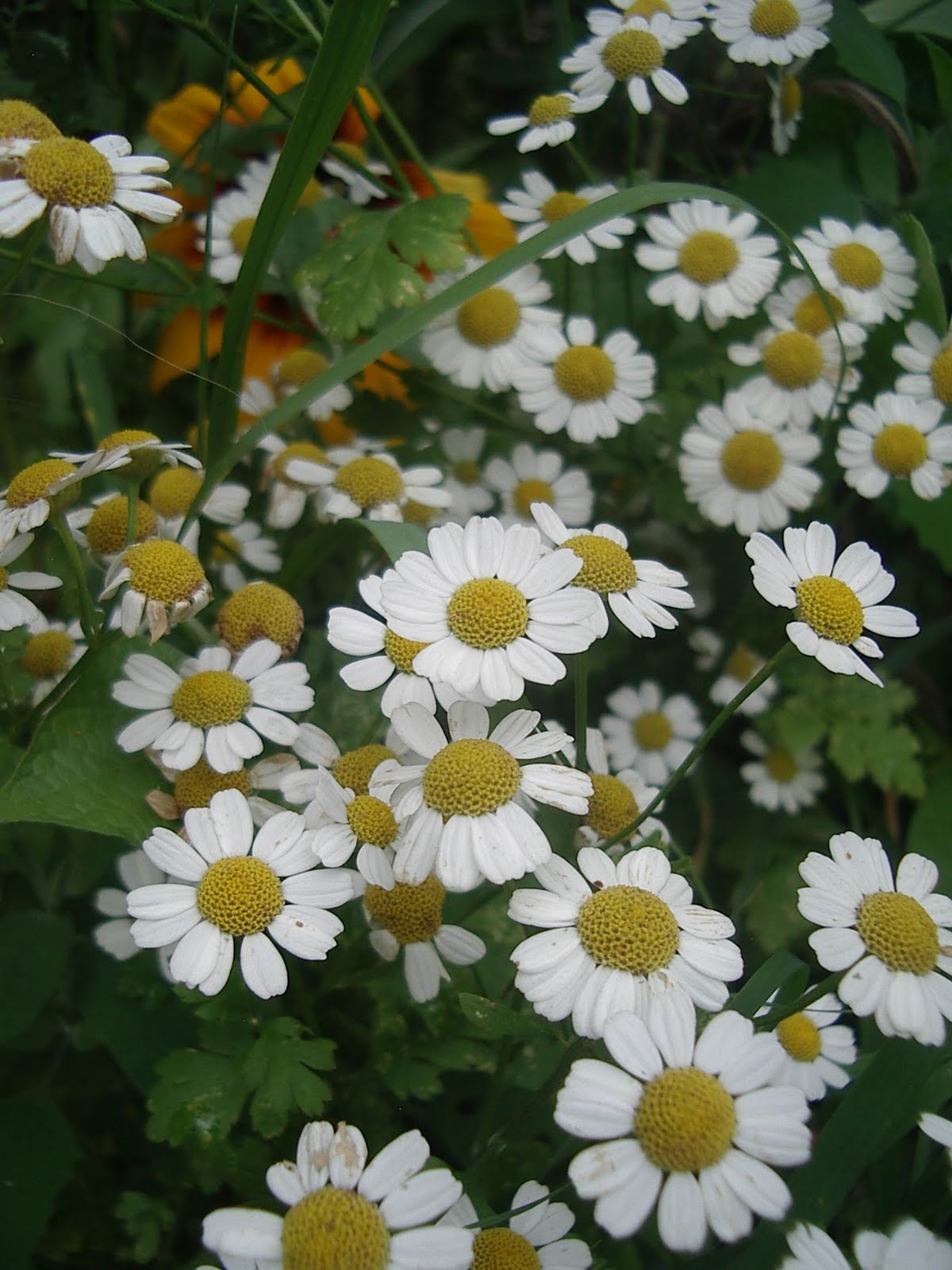
Here's a quick list of the plants in these photos, from top to bottom:
marshmallow, feverfew, echinacea, calendula, green tomatillo, dill, purple basil, lavender, bergamot, black eyed susan, onion, wild bergamot, purple lambs quarters, wood sorrel.

Wednesday, March 03, 2010

Zero Mile Diet Seed Kit from Salt Spring Seeds

Thanks to a friend who just sent me the info about this very cool idea - a "zero mile diet seed kit", put together by Salt Spring Seeds in BC. The idea is by using this seed kit gardeners or groups of gardeners can learn to become more self-reliant in food. Salt Spring Seeds states that with this kit of 13 packets of seeds, plus "combining them with locally grown vegetables, fruits and nuts, you could become close to 100% self-sufficient in food." They suggest, if you are in an urban environment and don't have a large plot of land, to get together with other neighbourhood gardeners and share these seeds around while turning front and back yard green spaces into gardens together.


For $46, you can get the 13 seed packets contained in this kit, and reap a huge harvest! The seeds included are: Red Fife Wheat, Purple Barley, Hulless Oats, Wren's Abruzzi Rye, Golden Flax, Quinoa, Amaranth, Heritage Bean Mix, Carlin Soup Pea, Winnifred's Garbanzo, Russian Kale, 20 Lettuce Blend, Ardwyna Paste Tomato.

http://www.saltspringseeds.com/

Monday, August 31, 2009

Homesteading fall tasks


This is my favourite season, and a busy one here at the homestead.

Last week's projects included:
- seed collecting and drying (coriander, calendula, lettuce varieties, tomato varieties, beans)
- garlic harvest and drying
- herb harvest for fall herb shares (ready for local members in a few weeks)
- building a better herb drying rack in our kitchen for easy access
- more canning and preserving of fruits for winter (Niagara pears, peaches, plums)
- planting fall crops
- adding compost to the garden beds
- regular bread baking
- cleaning chicken coop :)

Saturday, July 18, 2009

End of July in the garden...


Here are a few photos of the life in our garden these days - everything is fruiting, flowering and ripening, dispite the cool weather. We hear August is going to be warm so that will help the eggplant, tomotoes and peppers along.

Sunday, April 19, 2009

Bread in cob oven


Spent all of this past weekend outside - the weather was amazing - upto 21 C on on day, and sunny! Bare toes were out, sweaters off, sunhats on...

We seeded onion sets, carrots, swiss chard, radish, cilantro, fava beans, snow peas into the garden beds after they were prepped with compost and cleared of last year's mulch. We weeded the cold frames, picked arugula, chives and greens for a fresh salad, and ate our lunch outdoors on the patio. In the greenhouse we continued with transplanting, having completed the hundreds of tomatoes, and now moving on to kale, broccoli, peppers, basil, and other herbs. We also planted seeds of zucchini, squash, pumpkin and cucumbers in flats, which will be ready in time for the May seedling sale. Busy, exciting time of the year. We are grateful for longer days...the sun is now rising around 6:30 am and setting after 7 pm and we still have about two months of longer days to come.

While we were gardening we decided to fire up the cob oven - I had made up several batches of bread dough earlier in the morning, and it was on it's first rising. If a good fire is made during this time, letting it burn large and hot during the two bread rising stages, it gives just enough length of heat to bake a large batch of bread and some cookies, and doesn't make for too long a day tending fire. After only about 20 minutes of actual baking time we came out with 6 tasty loaves of bread - cornmeal, caraway rye, oatmeal sunflower, flax & sesame, ready just in time for making sandwiches with the fresh greens for our lunch break. Mmm....

Friday, March 13, 2009

seedling starting guide - when to plant your seeds


I have had requests to re-post the seedling starting guide which we posted here last year. Here is the planting guide, based on frost-free date being May 24 (for our Zone 5 here in southern Ontario).

PLANTING GUIDE (based on frost-free date of May 24):

FEBRUARY (the greens listed here can continue to be planted throughout the growing season of course)
Start lettuce, chard, other greens in greenhouse or in flats indoors (to be planted out to greenhouse). Start selected medicinal and culinary herbs by middle of February. Some take 6-8 weeks to germinate!

10 WEEKS TO LAST FROST (aprox. March 15)
Start seeds of celery, eggplant, leeks, onion, pepper and flowers like impatiens, lobelia, verbena and perennials indoors.

8 WEEKS TO LAST FROST (aprox. March 29)
Start seeds of early head lettuce and flowers like begonia, coleus, nicotiana, petunia and salvia indoors.

7 WEEKS TO LAST FROST (aprox. April 5)
Start seeds of tomatoes, hot peppers, and early basil indoors.

6 WEEKS TO LAST FROST(aprox. April 12)
Start seeds of early left lettuce, early cabbages including cauliflower, broccoli, brussels sprouts, kohlrabi and kale, and small seeded annuals indoors. DIRECT SEED broad beans, carrots, peas, spinach, leaf lettuce, turnips, dill, parsley, and hardy flowers such as alyssum, candytuft, pansies, poppies, snapdragons, stocks, sunflowers and sweet peas. Plant onion sets or transplant onion seedlings outdoors.

4 WEEKS TO LAST FROST (aprox. April 26)
Start melon seeds indoors. If desired, start seeds of late basil, cucumber, squash, pumpkin, large-seeded annuals, and flowering vines indoors in peat pots. DIRECT SEED radishes, beets, cabbages, chard, head lettuce, and flowers such as godetia, hollyhock, and mallow. Plant potato eyes and transplant seedlings of early cabbages, except cauliflower.

2 WEEKS TO LAST FROST (aprox. May 10)
DIRECT SEED corn, tender bulbs such as glads, and annual vines such as morning glory. Transplant early lettuce seedlings.

WEEK OF LAST FROST (aprox. May 17-24)
Around the last frost date you can finally direct seed beans, cauliflower, cucumber, squashes, heat-loving flowers such as zinnias, marigold, and lavatera. Transplant your tomaotes. If you've got them, transplant cauliflower, squash and cucumber seedlings.

1-2 WEEKS AFTER FROST (aprox. May 31-June 7)
Wait for a couple of weeks after the last frost before direct seedling lima benas, soybeans, melons and herbs such as basil, summer savory and sweet marjoram. Transplant celery, melon, peppers, eggplant seedlings when the night temperatures stay well above 10 degrees C. Plant sweet potato slips. Start second crop of kale seedlings, and reseed spinach and peas for second crop.